Are Smart Thermostats Safe? Privacy & Security Explained (2026)

This post may contain affiliate links. Read our policy
A smart thermostat knows when you're home, when you sleep, and when the house is empty — information that's useful for saving energy but worth protecting. So it's fair to ask: are smart thermostats safe, both physically and from a privacy standpoint? The short answer is yes, when you choose a reputable brand and follow a few basic habits. Here's what to know. For model picks, see our complete smart thermostat buyer's guide.
Two kinds of "safe"
When people ask if smart thermostats are safe, they usually mean one of two things:
- Physical safety — is it safe to install and run on my HVAC system?
- Privacy and cybersecurity — who can see my data, and could it be hacked?
Both are legitimate, and both have reassuring answers.
Physical safety
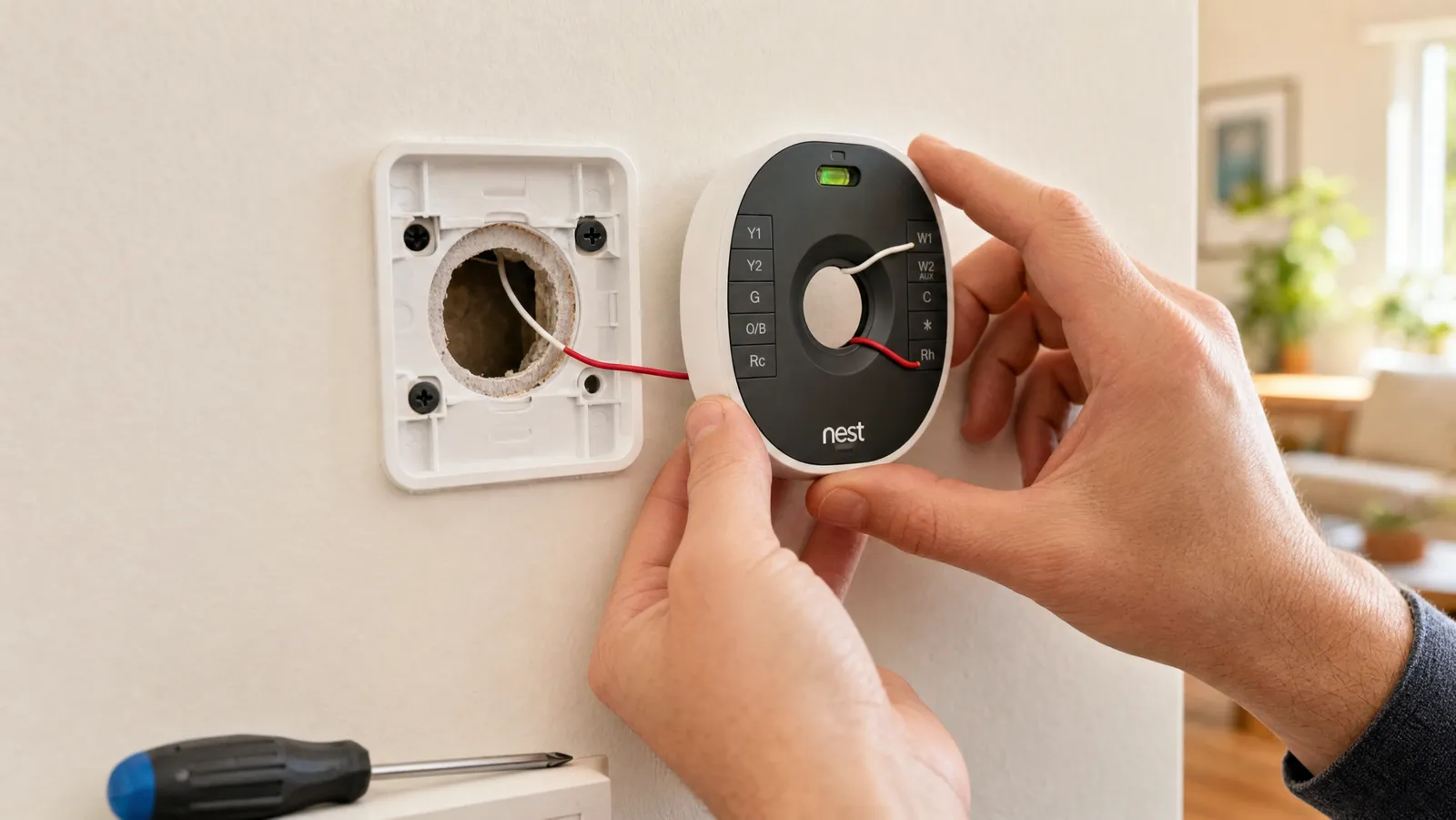
Smart thermostats run on low-voltage 24V wiring — the same safe, low-power circuit every thermostat uses. There's no high-voltage risk in a standard install, which is why it's a beginner-friendly DIY job (just cut power at the breaker first; see our installation guide). Reputable thermostats are also UL-listed and ENERGY STAR certified, and several add HVAC monitoring that actually improves safety by flagging furnace or system faults early.
The one exception to DIY is line-voltage (120–240V) systems like some electric baseboard heat, which need a compatible thermostat and more care — see our compatibility guide.
Privacy: what data is collected?
A smart thermostat typically knows your temperature preferences, your schedule, and — if you enable geofencing — when you come and go. How that's handled varies by brand:
- Privacy-first brands. Emerson states plainly that Sensi won't sell your personal information to third parties — a meaningful differentiator if privacy is a priority.
- Ecosystem brands. Google (Nest) and Amazon thermostats tie into larger accounts; review their privacy settings and data controls, which let you limit and delete data.
- Read the policy. Before buying, skim the maker's privacy policy for whether data is sold or shared and what controls you have.
If minimizing data sharing matters most to you, a battery-powered, privacy-focused model like the Sensi ST55 is a strong choice.
Cybersecurity: can a smart thermostat be hacked?
In theory any connected device can be targeted; in practice, mainstream thermostats from Google, ecobee, Amazon, and Emerson receive regular security updates and use encrypted connections. The realistic risk isn't the thermostat itself — it's weak account security. Protect yourself with the same habits that secure any smart home device:
- Use a strong, unique password for the thermostat's account.
- Enable two-factor authentication where offered.
- Keep the app and firmware updated.
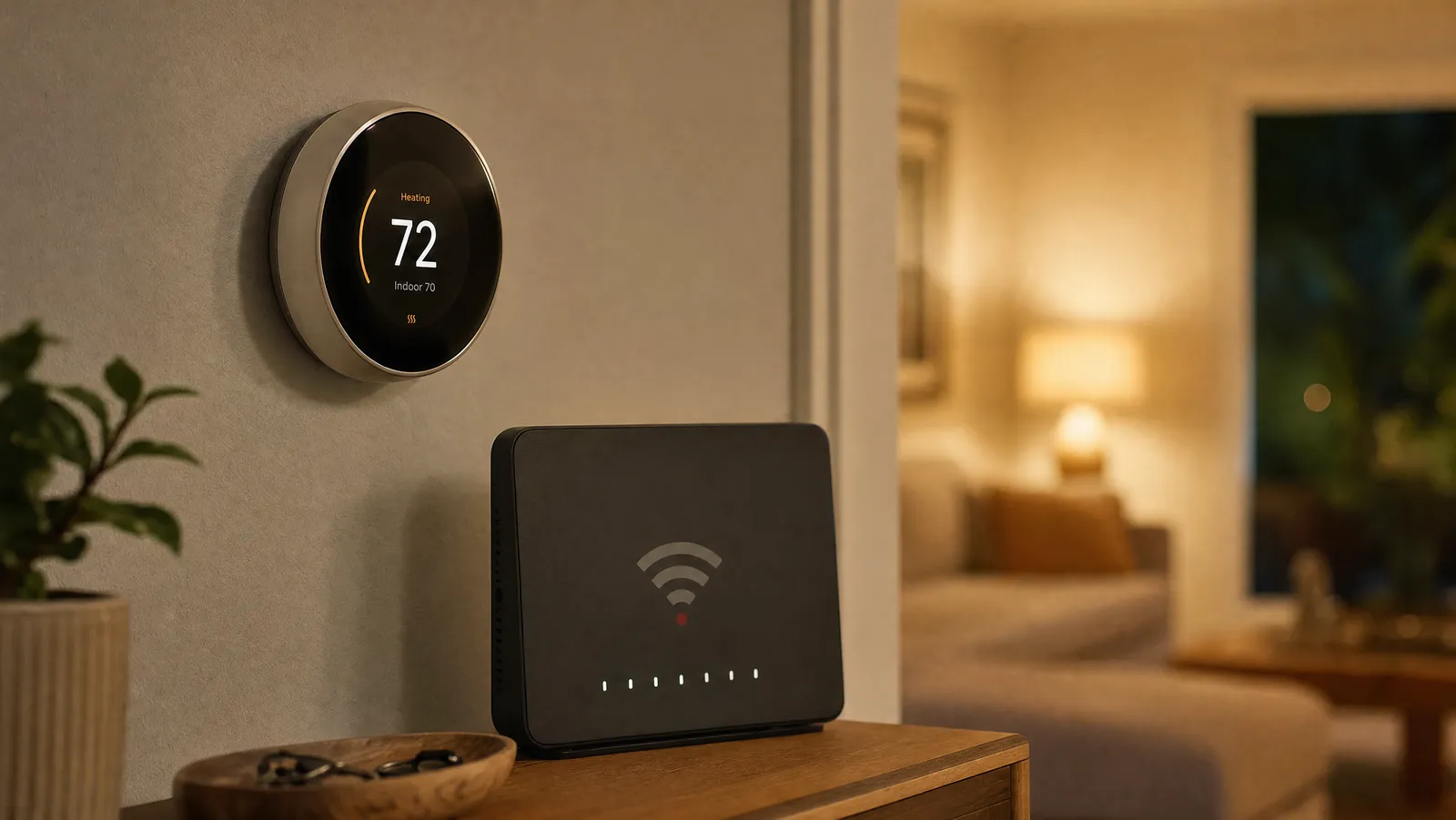
- Secure your home Wi-Fi with a strong password and modern encryption.
These steps are the same ones we recommend across the connected home — our smart home security guide covers the broader picture, and if you're building out protection, see our roundup of the best smart home security systems.
Practical safety checklist
- ✅ Buy a reputable, ENERGY STAR / UL-listed brand.
- ✅ Cut power at the breaker before installing.
- ✅ Confirm your system voltage (low-voltage = DIY; line-voltage = special model).
- ✅ Set a strong password and enable 2FA.
- ✅ Review the privacy policy; prefer brands that don't sell data.
- ✅ Keep firmware and the app updated.
Frequently asked questions
Are smart thermostats safe to install yourself? Yes — they're low-voltage devices and a standard install is beginner-friendly. Just turn off power at the breaker. Line-voltage systems are the exception.
Do smart thermostats spy on you? They collect temperature, schedule, and (if enabled) presence data to function. Reputable brands let you control and delete this; some, like Sensi, pledge not to sell it.
Can a smart thermostat be hacked? The bigger risk is a weak account password than the device itself. Use a strong, unique password, enable 2FA, and keep firmware updated.
Which smart thermostat is best for privacy? Emerson's Sensi line is a strong choice — it explicitly won't sell your personal data and the battery-powered ST55 keeps things simple.
The bottom line
Smart thermostats are safe — physically, because they're low-voltage devices, and digitally, as long as you pick a reputable brand and use basic account security. Choose a privacy-conscious maker, follow the checklist above, and you can enjoy the savings without worry. For the full set of options, see our complete smart thermostat buyer's guide.
About the Author
Ilana Nevin
Ilana Nevin is a content creator and marketing professional who is passionate about new technology, home automation and the smart home revolution. She has been blogging about these topics for over five years and is excited to see how the industry continues to evolve.