Are Smart Thermostats Worth It? The Honest Answer (2026)


This post may contain affiliate links. Read our policy
It's the question every shopper asks: do smart thermostats actually justify their cost, or are they a gadget you don't need? After researching the savings data and living with these devices, our answer is a qualified yes — they're worth it for most homes, but the size of the payoff depends on your habits and your home. Here's the honest breakdown. For the full lineup of options, see our complete smart thermostat buyer's guide.
This article contains affiliate links. We may earn a commission if you make a purchase through our links, at no extra cost to you.
The short answer
Yes, for most people — especially if you buy a budget model, qualify for a utility rebate, or currently leave your heating and cooling running when no one's home. The savings are real but modest, so the case is strongest when the upfront cost is low and the convenience genuinely improves your daily life.
It's less compelling if you already set back the temperature manually every day and run a very efficient schedule by hand — in that case you're mostly paying for convenience, not new savings.
The savings math
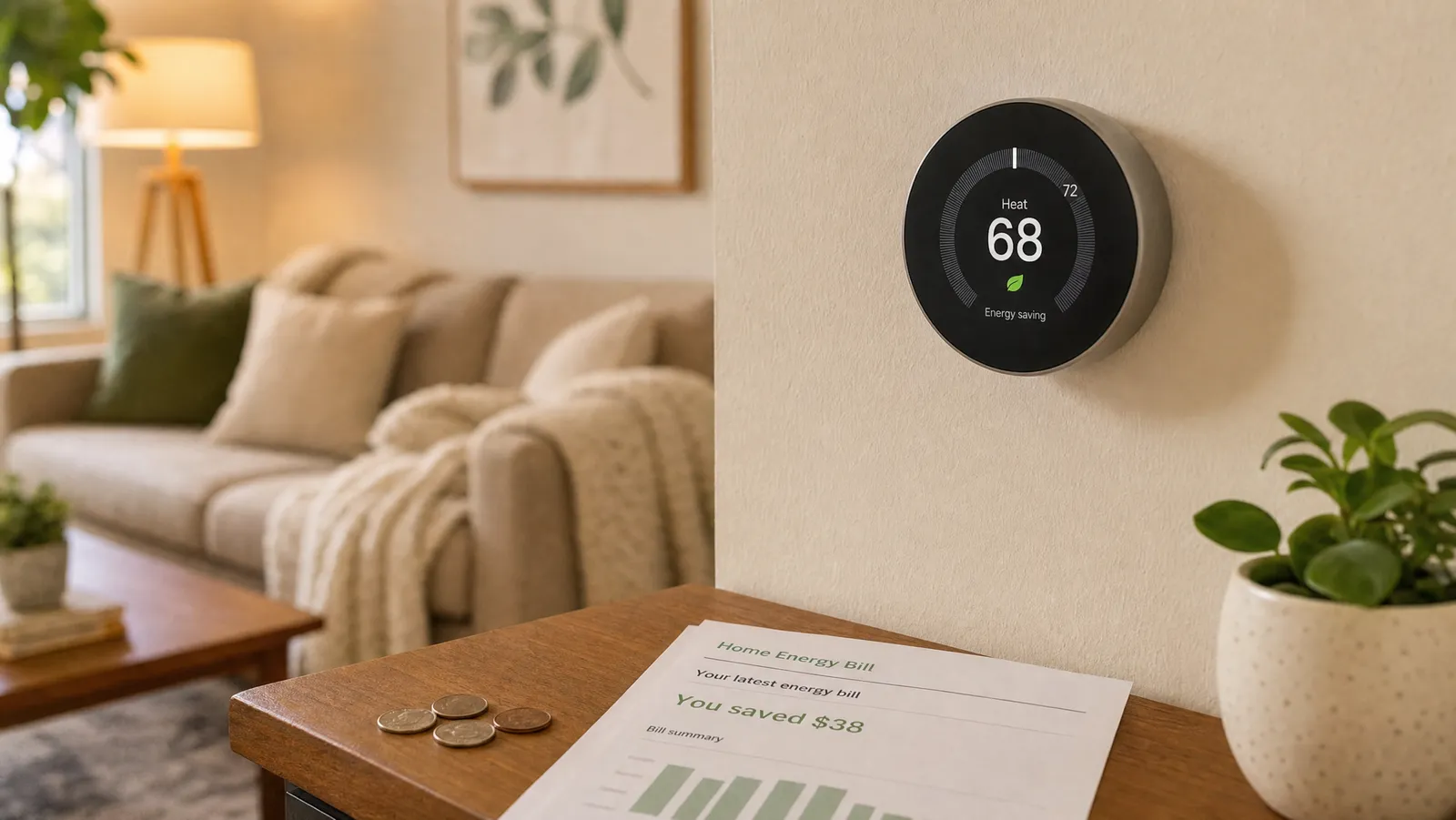
According to ENERGY STAR and the Department of Energy, a certified smart thermostat saves about 8% on heating and cooling — roughly $50 a year on average. Manufacturers cite higher numbers (ecobee says up to 23%, Nest similar) for households replacing wasteful habits.
Run the payback:
- A $58 Amazon Smart Thermostat or $87 Sensi ST55 can pay for itself in one to two years on savings alone.
- A $229 ecobee takes longer — often three to five years — unless your savings run higher than average.
- Utility rebates (commonly $50–$100) and occasional federal incentives can cut the upfront cost dramatically, sometimes making a budget thermostat effectively free.
We break the numbers down further in do smart thermostats really save money?
A worked 5-year example
Numbers make the case clearer than generalities. Take an $87 Sensi ST55 in a home with average ~$50/year savings, and assume a common $75 utility rebate:
| | Running total | |---|---| | Up-front cost | –$87 | | Instant rebate | +$75 (net cost now –$12) | | End of year 1 | +$38 | | End of year 3 | +$138 | | End of year 5 | +$238 |
In this scenario the thermostat is effectively free within months and several hundred dollars ahead over its life — before counting the convenience. Swap in a $229 ecobee and the break-even moves out a few years, which is exactly why we steer savings-focused buyers toward a budget model and rebate first.
Smart vs. programmable: what you're actually paying extra for
A basic programmable thermostat is cheaper, so it's fair to ask what the premium buys. The honest answer: a smart thermostat captures savings a programmable one only promises.
- Programmable thermostats follow a fixed schedule you enter by hand. Studies and utilities have long noted the catch — most people never program them, or override them so often the schedule is meaningless. A thermostat you don't program saves nothing.
- Smart thermostats adjust automatically using geofencing, learning, and remote control, so the savings happen whether or not you're disciplined. They also add the conveniences below.
If you are genuinely rigorous with a manual schedule, a programmable unit can match a smart one on pure energy use. For everyone else — which is most of us — the smart version is where the real-world savings actually materialize. Our what is a smart thermostat? explainer covers the mechanics.
Who benefits most
- Households that are out during the day — geofencing and away detection capture savings you'd otherwise miss.
- Homes with irregular schedules — automatic adjustment beats a rigid manual program.
- Anyone eligible for a rebate — it tilts the math heavily in your favor.
- People who forget to adjust the thermostat — the device simply does it for you.
Who benefits least
- Disciplined manual users who already set back the temperature religiously.
- Very mild climates with low heating and cooling bills to begin with — there's less to save.
It's not just about money
Even when the dollar savings are modest, the convenience is where many owners feel the value: changing the temperature from bed, pre-warming the house before you wake, getting HVAC fault alerts, and never coming home to a freezing or sweltering house. For most people, that day-to-day quality-of-life improvement is what makes it "worth it," with the energy savings as a bonus. If budget is your main concern, our budget roundup keeps the cost — and the payback period — low.
Is it worth it for your situation? Four real scenarios
"Worth it" is personal, so map yourself to the closest case:
- Family that's out all day (work + school): Strongly worth it. The house sits empty for hours on a predictable-but-variable schedule — exactly what geofencing and auto-away are built to exploit. This is the highest-savings profile.
- Someone home most of the day (remote work, retiree): Worth it for comfort more than savings. There's less empty-house time to optimize, but room sensors, gentle setbacks, and HVAC alerts still add real value. Lean toward a budget pick to keep payback short.
- Renter or apartment dweller: Worth it with the right model. Dollar savings are smaller in a small space, but a cheap, portable, no-C-wire unit you take to your next place is easy to justify — see smart thermostats for apartments.
- Large or multi-zone home with hot/cold spots: Very worth it. Bigger bills mean bigger percentage savings, and room sensors solve comfort problems a basic thermostat can't. See room sensors and multi-zone.
Hidden costs to factor in (so the math is honest)
To keep this balanced, weigh these before you buy:
- A possible C-wire adapter if your home lacks one — often free in the box or by voucher, occasionally a ~$25 add-on. See C-wire explained.
- Optional room sensors (~$40 each for Nest; included with ecobee) if you want whole-home balancing.
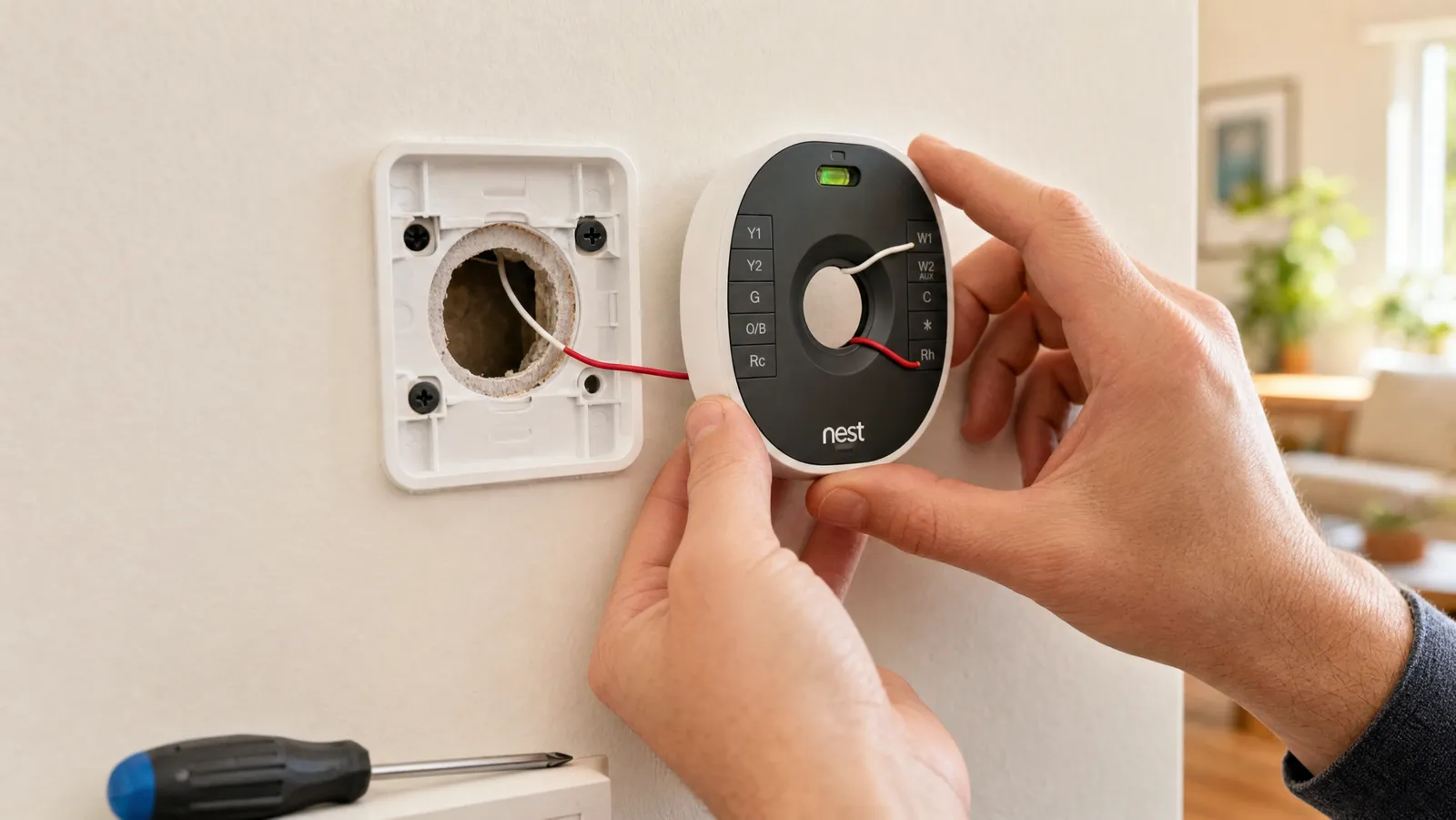
- Your time — about 30–45 minutes for a DIY install, or a pro fee for complex systems.
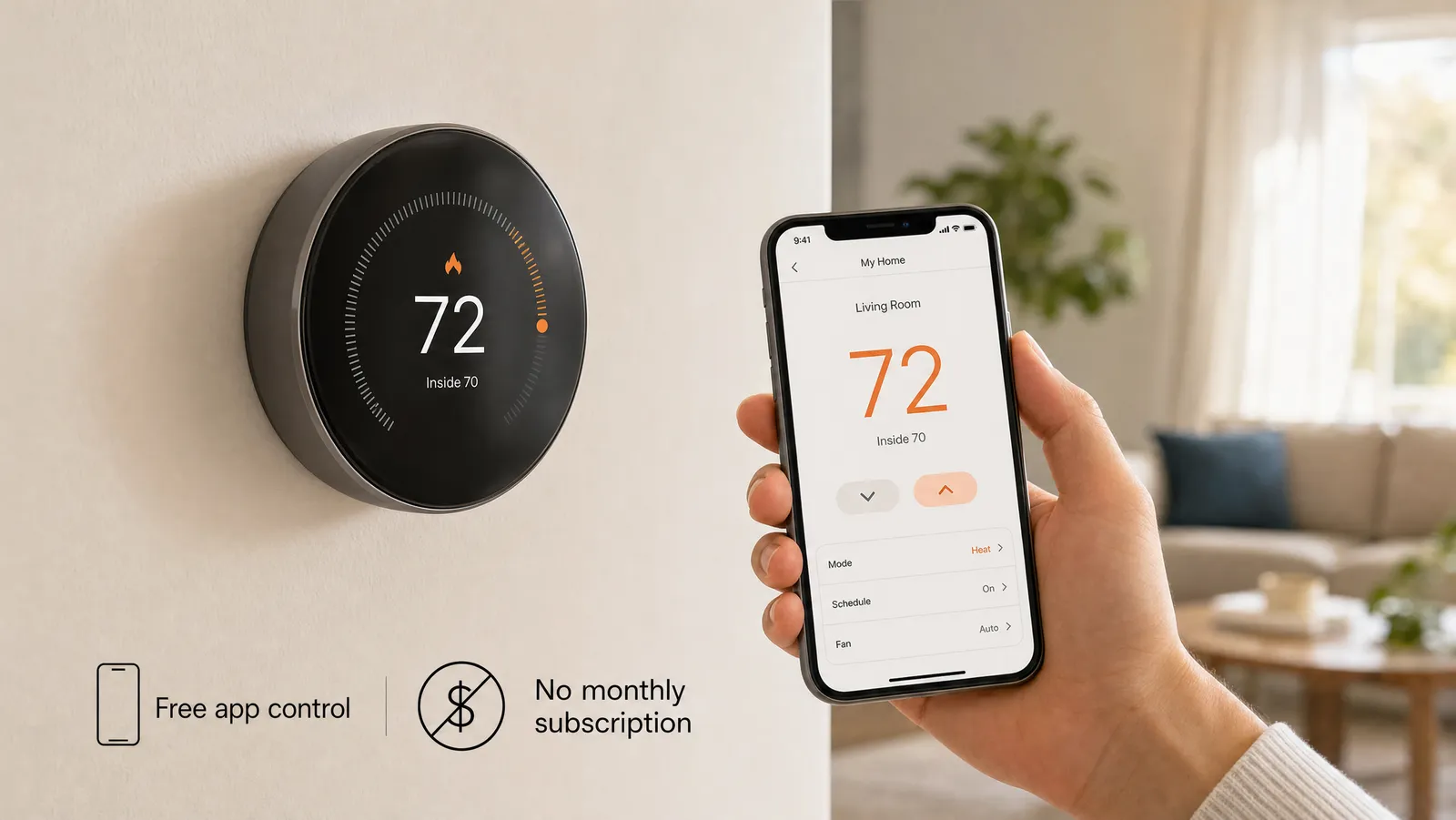
There are no mandatory subscriptions, though — the core savings features are always free, as we cover in best no-subscription smart thermostats. Factor the one-time extras in and a budget thermostat still comes out ahead quickly.
The verdict
For the large majority of homes, a smart thermostat is worth it: the savings are modest but real and recurring, the rebates can erase the purchase price, and the daily convenience is genuine. The case is weakest only for disciplined manual schedulers in mild climates with no rebate available. When in doubt, buy cheap, claim the rebate, and let the device prove itself.
Frequently asked questions
How much does a smart thermostat really save? About 8% on heating and cooling, or ~$50 a year on average per ENERGY STAR, with more possible if you're replacing wasteful habits.
How long until it pays for itself? A budget model often pays back in one to two years; a premium model in three to five, faster with a rebate.
Are smart thermostats worth it for a small apartment? The dollar savings are smaller, but a cheap, renter-friendly model like the Sensi ST55 still adds real convenience — see smart thermostats for apartments.
Do I need to pay a subscription? No. The savings come from free features — see best no-subscription smart thermostats.
Are smart thermostats worth it if I'm home all day? More for comfort than savings. With less empty-house time to optimize, the energy gains shrink, but HVAC alerts, room balancing, and effortless control still add value. A budget model keeps the payback reasonable.
Is a smart thermostat worth it over a cheap programmable one? For most people, yes — programmable thermostats only save if you actually program and respect the schedule, which few do. Smart models automate the savings via geofencing and learning. Disciplined manual users may not see a big difference on energy alone.
Do smart thermostats actually reduce my bill, or just move usage around? They genuinely reduce heating and cooling runtime — chiefly by not conditioning an empty house and by running efficient setbacks — which lowers consumption, not just its timing. ENERGY STAR pegs the average at about 8%.
What's the cheapest way to make a smart thermostat "worth it" fastest? Buy a budget ENERGY STAR model and claim your utility rebate. That combination can make the device effectively free in the first year, as our savings guide shows.
Will a smart thermostat hurt my HVAC system? No — and it can help. Many models include HVAC monitoring that flags faults and filter changes early. Just match the thermostat to your system; see our compatibility guide.
The bottom line
For most homes, a smart thermostat is worth it — the savings are real, the convenience is genuine, and a budget model pays for itself quickly, especially with a rebate. Keep the upfront cost low with the Sensi ST55, or spend up to the ecobee if comfort features matter as much as savings. Ready to choose? Head to our complete smart thermostat buyer's guide.
Best Value Pick
If you want the fastest payback, start cheap.
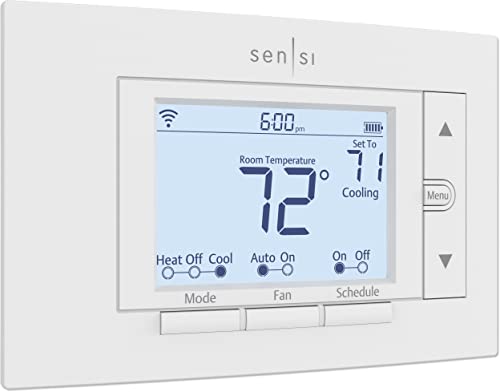
If you want the fastest payback, start cheap. The Sensi ST55 costs under $90, needs no C-wire, and delivers the same ENERGY STAR savings as thermostats twice its price. At this price the math works quickly: a year or two of energy savings can cover the purchase, and any utility rebate shortens that further.
The quickest route to a positive return — low upfront cost, full features, and ENERGY STAR savings.
Best If You Want More

If "worth it" means comfort and convenience as much as savings, the ecobee earns its price.
If "worth it" means comfort and convenience as much as savings, the ecobee earns its price. The included room sensor evens out hot and cold rooms, built-in Alexa adds a speaker, and ecobee estimates up to 23% in annual heating and cooling savings for homes replacing wasteful habits. It takes longer to pay back than a budget model, but you get more for the money.
Worth it when comfort counts too — room sensing, voice control, and strong claimed savings.
Review of What We Liked
About the Author
Ilana Nevin
Ilana Nevin is a content creator and marketing professional who is passionate about new technology, home automation and the smart home revolution. She has been blogging about these topics for over five years and is excited to see how the industry continues to evolve.